Step-by-Step Guide to Driving an Automatic Car
Step-by-Step Guide to Driving an Automatic Car: Driving an automatic car is simple, smooth, and perfect for both beginners and travelers. Unlike manual cars, automatic vehicles don’t require constant gear shifting — the car changes gears on its own based on your speed and acceleration. Whether you’re renting a car for a safari in Uganda or learning to drive for the first time, this step-by-step guide will help you understand the basics and drive confidently.
-
Understand the Gear Positions
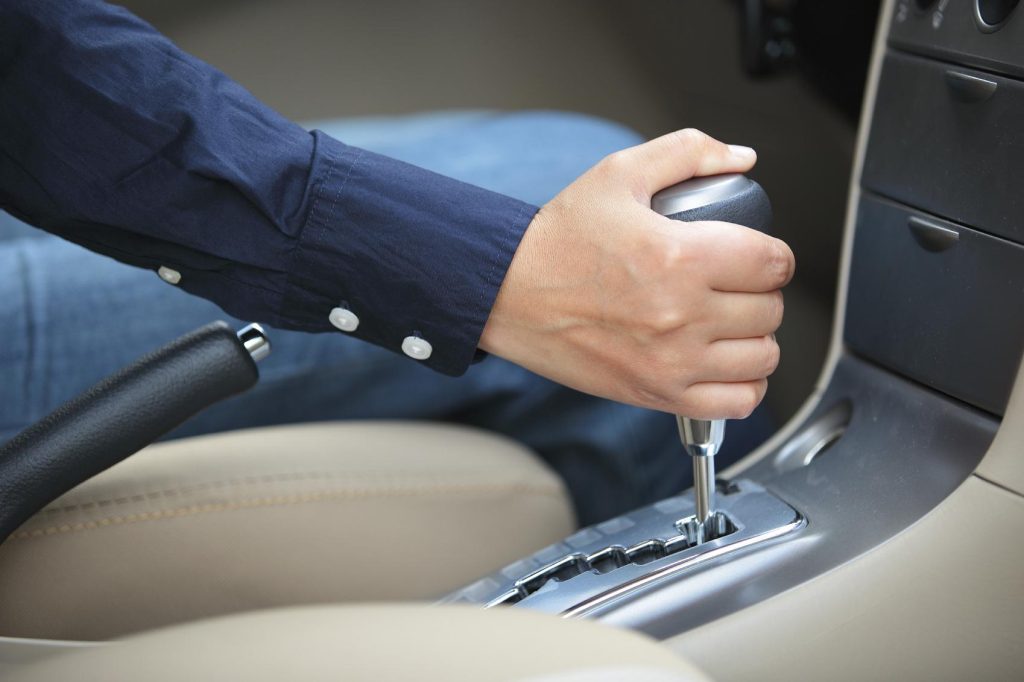
Before starting, get familiar with the gear selector — usually found between the two front seats. Automatic cars have these main positions:
- P (Park): Use when the car is stationary and turned off. It locks the transmission.
- R (Reverse): For moving backward.
- N (Neutral): The car is in free mode; no power is transmitted to the wheels.
- D (Drive): For normal forward movement — this is the gear you’ll use most of the time.
- L (Low) or S (Sport): Used for extra power when climbing hills or overtaking.
Tip:
Always keep your foot on the brake pedal when shifting between gears.
-
Adjust Your Seat, Mirrors, and Seatbelt
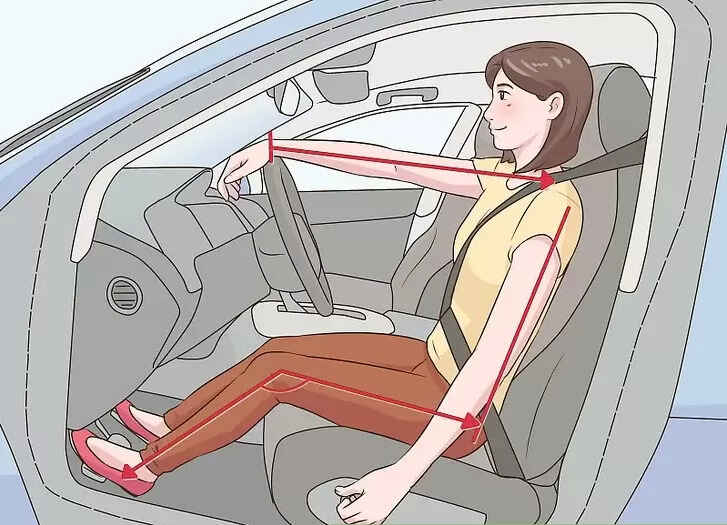
Comfort and visibility are key for safe driving.
- Adjust your seat so you can reach the pedals easily.
- Check that you can see clearly through all mirrors — side and rear.
- Fasten your seatbelt before turning the ignition.
Tip:
Ensure passengers are also belted before you move.
-
Start the Car Properly
- Place the gear in P (Park).
- Keep your foot firmly on the brake pedal.
- Turn the key or press the start button.
- Wait a few seconds for the engine to settle.
Once the engine is running, you’re ready to move.
-
Shift into Drive
- Keep your foot on the brake.
- Move the gear selector from P to D (Drive).
- Slowly release the brake. The car will begin to roll forward slightly — this is called creeping.
Tip:
Always check your surroundings before moving — mirrors, pedestrians, and vehicles behind you.
-
Accelerate Smoothly
Gently press the accelerator (right pedal) to increase speed. Automatic cars adjust gears automatically — you don’t need to do anything.
Avoid pressing the pedal too hard; light, steady pressure is enough for smooth acceleration.
Tip:
Practice gentle braking and acceleration to avoid sudden jerks.
-
Braking and Stopping
To slow down or stop, gently press the brake pedal (left side). The car will automatically shift down to lower gears as it slows.
When stopping completely (for example, at a traffic light):
- Keep the brake pressed.
- Shift to N (Neutral) if you’ll be stopped for more than a minute.
- Or shift to P (Park) if you’re parking the car.
Tip:
Never press the brake and accelerator at the same time.
-
Reversing the Car
- Press the brake pedal firmly.
- Shift the gear to R (Reverse).
- Check your mirrors and surroundings.
- Gently release the brake and look behind as you move backward.
Tip:
Reverse slowly — automatic cars respond quickly to small pedal pressure.
-
Parking Correctly
When you finish driving:
- Stop the car completely.
- Shift the gear to P (Park).
- Engage the handbrake (parking brake).
- Turn off the engine.
If you’re parked on a slope, use the handbrake first, then shift to Park to reduce stress on the transmission.
-
Driving Uphill or Downhill
For steep climbs, shift to L (Low) or S (Sport) to give the car more power.
When going downhill, use L to control speed — it prevents the car from free-rolling and helps save the brakes.
Tip:
Avoid keeping your foot on the brake for long periods downhill — it can overheat the brakes.
-
Important Safety Tips
- Always drive with both hands on the wheel.
- Avoid distractions like phones or eating while driving.
- Follow local speed limits and traffic rules.
- Keep a safe distance between your car and others.
- Be extra cautious on wet or dusty roads.
Quick Safety Checklist for Your Uganda Self-Drive Safari
| Stage | What to Check | Why It Matters |
| Before Departure | ✅ Inspect tires, lights, brakes, and wipers | Ensures vehicle reliability and avoids breakdowns |
| ✅ Carry driver’s license, international permit, and car papers | Required at police checkpoints and park gates | |
| ✅ Check fuel level and refill in town | Fuel stations are scarce near parks | |
| ✅ Pack water, snacks, first aid kit, and maps | Keeps you hydrated and prepared for emergencies | |
| ✅ Download offline navigation (Google Maps or Maps.me) | Some areas have no mobile signal | |
| During the Drive | ✅ Keep speed below 80–100 km/h on highways | Prevents accidents and avoids fines |
| ✅ Avoid night driving | Poor lighting and animal crossings increase risk | |
| ✅ Watch for pedestrians, boda bodas, and livestock | Roads are shared with local traffic | |
| ✅ Respect wildlife crossing inside parks | Protects animals and ensures your safety | |
| ✅ Stay calm at police checkpoints | Courtesy helps maintain smooth travel | |
| At Park Entrances & Inside Parks | ✅ Confirm park gate opening hours (7 AM – 7 PM) | Late entry may be denied |
| ✅ Follow park speed limits (40 km/h) | Keeps wildlife safe and avoids penalties | |
| ✅ Carry your UWA entry receipt and ID | Proof of entry for rangers | |
| ✅ Never exit the car near animals | Reduces risk and respects park rules |
Bonus Tip: Practice in a Safe Area First
Before driving on highways or in traffic, practice in a quiet parking lot or open space. It helps you get used to the car’s response — how fast it accelerates, brakes, and turns.
Confidence comes with practice. Take your time.
Conclusion
Driving an automatic car is easy once you understand the basics. With no need to shift gears manually, you can focus more on the road and enjoy the experience.
Whether you’re renting a 4×4 for a safari or driving through Uganda’s scenic countryside, following these simple steps ensures your trip stays safe, smooth, and stress-free.