

The Best Time to Visit Serengeti National Park
Introduction
The Best Time to Visit Serengeti National Park, Serengeti National Park is Tanzania’s most celebrated safari destination, a land where endless plains, golden sunsets, and roaring lions create the classic African scene. Each month in the Serengeti offers something unique, from the world-famous wildebeest migration to peaceful green-season safaris filled with life. While the park welcomes visitors all year, the best time to visit depends on what you want to experience, whether it’s predator action, calving season, or quiet wilderness without crowds.
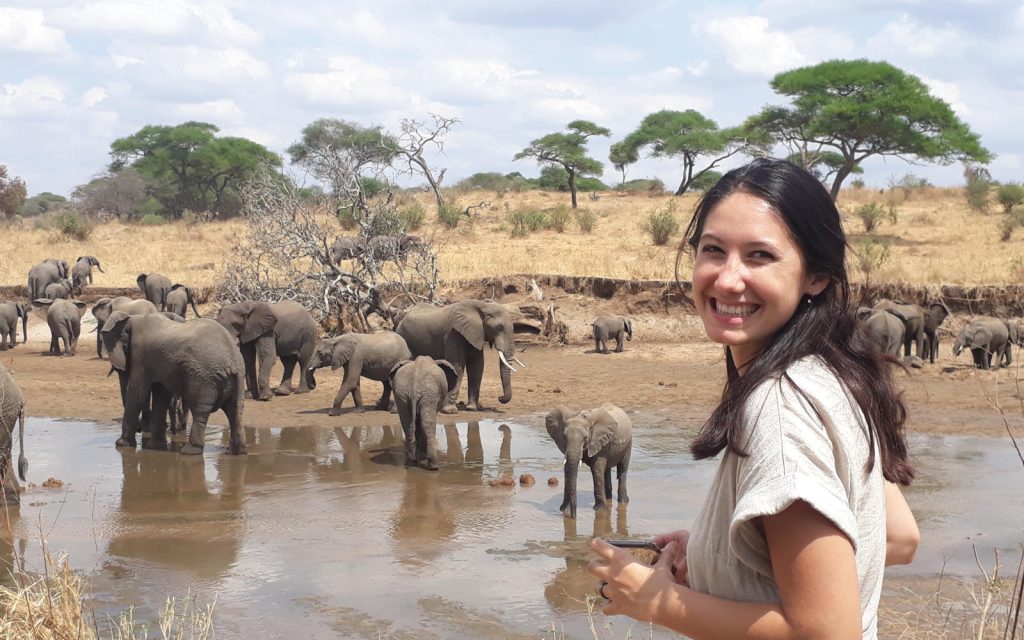
Best Time to Visit Serengeti National Park
June to October – The Peak of the Dry Season
The dry season from June to October is considered the best time to visit Serengeti National Park. Days are sunny, humidity is low, and wildlife congregates around rivers and remaining waterholes. Vegetation thins out, making animals easy to spot, perfect for photography and uninterrupted game drives.
This period marks the dramatic phase of the Great Migration, as over a million wildebeest and zebras move north from the western corridor toward the Mara River. The crossings between July and September offer some of Africa’s most breathtaking wildlife moments. Predators like lions, leopards, and crocodiles follow closely, creating raw and thrilling scenes of survival.
Lodges and camps operate at full capacity, and the atmosphere is vibrant with safari-goers.
Best For:
Game drives, Great Migration viewing, big cat sightings, and classic safari experiences.
Tip:
Book early if you plan to visit during July and August, as accommodation fills up fast.

December to February – The Calving Season in the South
The short dry season between December and February is another exceptional time to visit, especially around Ndutu in the southern Serengeti. This period is known as the calving season, when thousands of wildebeest give birth on the open plains.
The lush grasslands attract herds and, in turn, predators like lions, cheetahs, and hyenas. The wildlife interactions are dramatic yet heartwarming, young calves taking their first steps while predators wait in the distance. The skies remain clear, and morning light brings a golden glow across the plains.
Best For:
Calving season, predator action, photography, and mild weather.
Tip:
Focus on the southern Serengeti and Ndutu areas during this season for the best sightings.

Shoulder and Green Seasons – Peaceful and Vibrant
March to May – The Long Rains and Lush Landscapes
From March to May, the Serengeti experiences its long rainy season. Afternoon downpours transform the plains into a lush carpet of green. Wildlife remains abundant, though it spreads out due to the availability of water and fresh grazing areas.
Fewer visitors come during this time, giving the park a quiet and exclusive feel. Lodges offer discounted rates, and the scenery becomes breathtakingly beautiful, especially for photographers.
Best For:
Travelers seeking solitude, discounted safaris, and lush landscapes.
Tip:
Use 4×4 safari vehicles, as some dirt roads can become slippery after rain.

November – Short Rains and Gentle Rebirth
The short rainy season in November brings brief showers that refresh the park after months of dryness. Wildlife remains visible, and the migration herds start returning south toward the Ndutu plains.
The park looks renewed — green grasses sprout, wildflowers bloom, and the air feels fresh. Afternoon rains rarely last long and often clear to reveal spectacular sunsets.
Best For:
Birdwatching, green scenery, and fewer crowds.
Tip:
Carry light rain gear and plan morning game drives before possible afternoon showers.
Worst Time to Visit Serengeti National Park
While the Serengeti offers good wildlife viewing year-round, April is the least favorable month for most travelers. Heavy rainfall can make some areas difficult to access, and some camps temporarily close. However, the park’s beauty during this time is undeniable — dramatic skies, lush greenery, and calm plains without crowds make it appealing for photographers and peace-seekers.
Least Ideal For:
First-time safari visitors or those looking for easy travel logistics.
Tip:
If visiting in April, focus on central Serengeti areas where roads remain accessible year-round.

Monthly Overview at a Glance
| Month | Season | Conditions | Highlights |
| January – February | Short Dry | Warm, clear | Calving season in Ndutu, predator action |
| March – May | Long Rains | Wet, lush | Fewer tourists, green landscapes |
| June – October | Long Dry | Sunny, cool | Great Migration crossings, best wildlife viewing |
| November | Short Rains | Mild showers | Return of herds, fresh vegetation |
| December | Short Dry | Bright, pleasant | Migration in south, scenic plains |
Combining Serengeti with Other Destinations
The best time to visit the Serengeti also matches perfectly with other Tanzanian parks. Between June and October, you can combine Serengeti with Ngorongoro Crater and Tarangire National Park for big game safaris, or with Zanzibar for a relaxing beach escape. During December to February, a trip from Serengeti’s southern plains to the white sands of Zanzibar offers the perfect balance between adventure and relaxation.
Conclusion
The best time to visit Serengeti National Park depends on what you wish to see — the thrilling river crossings between July and September, or the magical calving season between December and February. The dry months guarantee spectacular wildlife encounters, while the green seasons reveal the park’s softer, more tranquil beauty.
Every month in the Serengeti tells a different story — of migration, renewal, and survival. No matter when you go, the park’s vast plains, roaming herds, and golden horizons never fail to inspire.
For travelers planning their Tanzania adventure, we invite you to inquire and book your Serengeti safari with us at Volcanoes National Park. Our experienced team will help plan your itinerary, secure the best lodges, and ensure your journey through the Serengeti becomes an unforgettable chapter in your African story.