

Pickups and Drop-Offs for Uganda Car Rentals: The Complete Traveler’s Guide
Pickups and Drop-Offs for Uganda Car Rentals: Renting a car in Uganda is rarely the hard part of planning a trip. The part that trips people up and the part almost nobody explains clearly is logistics: where exactly you collect the vehicle, what happens if your flight lands at midnight, whether you can leave the car in Kigali instead of Kampala, and what it actually costs when plans change.
Pickups and Drop-Offs for Uganda Car Rentals: This guide answers those questions in detail, using the real patterns that play out at Entebbe International Airport, in Kampala, and at the gates of Uganda’s national parks.
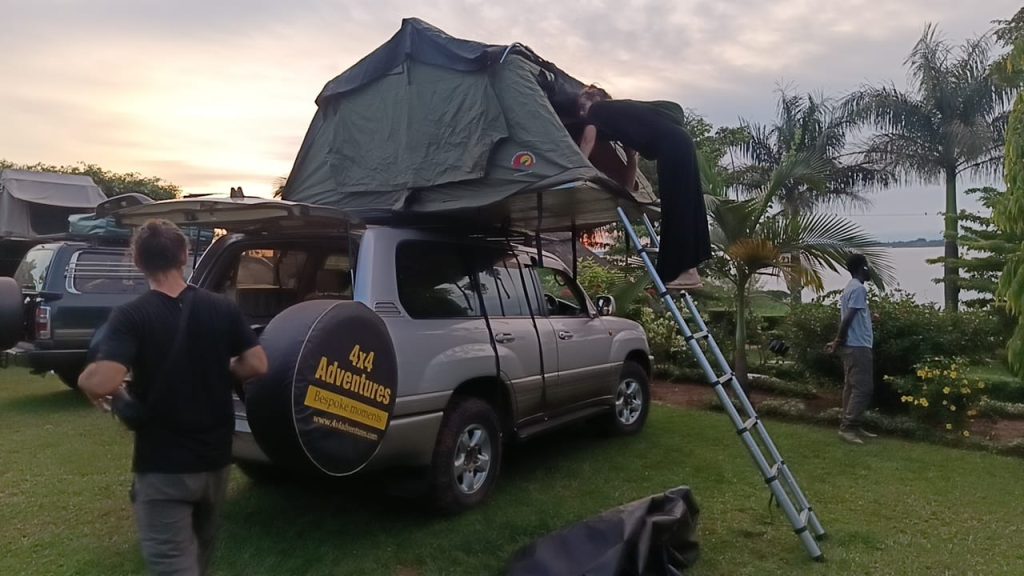
Why Pickup and Drop-Off Logistics Matter More in Uganda Than Elsewhere
Uganda is not a country with a dense network of rental branches on every corner. Most self-drive and chauffeur-driven rental companies are based in or around Kampala and Entebbe, and they extend service to other locations by sending a driver or a delivery vehicle out to meet you. That single fact changes almost everything about how pickups and drop-offs work here compared to, say, renting a car in Europe or the United States.
Because of this, three things become unusually important for travelers:
- Distance from the rental company’s base effects price and availability. A pickup in central Kampala is routine. A pickup at a remote border post or deep inside Kidepo Valley National Park may require advance notice and a delivery fee.
- Road conditions affect timing. A drop-off scheduled for 6 p.m. in the dry season might need to shift by an hour during heavy rains, especially on unpaved stretches near Bwindi or Kidepo.
- Flight and border schedules drive everything. Most visitor itineraries start and end at Entebbe Airport, so rental companies build their entire pickup and drop-off system around flight arrival patterns.
Understanding these three pressure points will help you avoid the two most common complaints travelers have after rental: paying unexpected fees and waiting around longer than expected.
Airport Pickup at Entebbe: What Actually Happens
Entebbe International Airport is the arrival point for the overwhelming majority of visitors, so it is worth describing the process in detail.
You will not find rental car counters inside the terminal. Unlike many international airports, Entebbe does not have a row of rental desks in the arrivals hall. Instead, your driver or rental representative will be waiting just outside the terminal building, typically holding a printed sign with your name. This is standard practice across nearly every Uganda-based rental and tour company, so don’t be alarmed if you don’t see a branded kiosk look for the name sign instead.
Confirm the meeting point before you fly. Entebbe’s arrivals area has had different exit configurations over the years as the airport has been renovated, so the exact spot can shift. A reliable company will send you a WhatsApp number and a description of the meeting point a day or two before arrival, not just an email week in advance.
Night flights are common plan for them specifically. Several long-haul flights into Entebbe land between 9 p.m. and 1 a.m. If you’re arriving at night, ask explicitly whether your pickup includes a night surcharge, and ask whether the driver has done late pickups before. Most established operators handle this routinely, but it’s worth confirming rather than assuming.
Immigration and luggage collection take time. Build at least 45–60 minutes into your expectations between landing and walking out of the terminal, especially if multiple wide-body flights land close together. A good rental company will track your flight number, not just your scheduled time, so delays on your end don’t cause confusion on theirs.
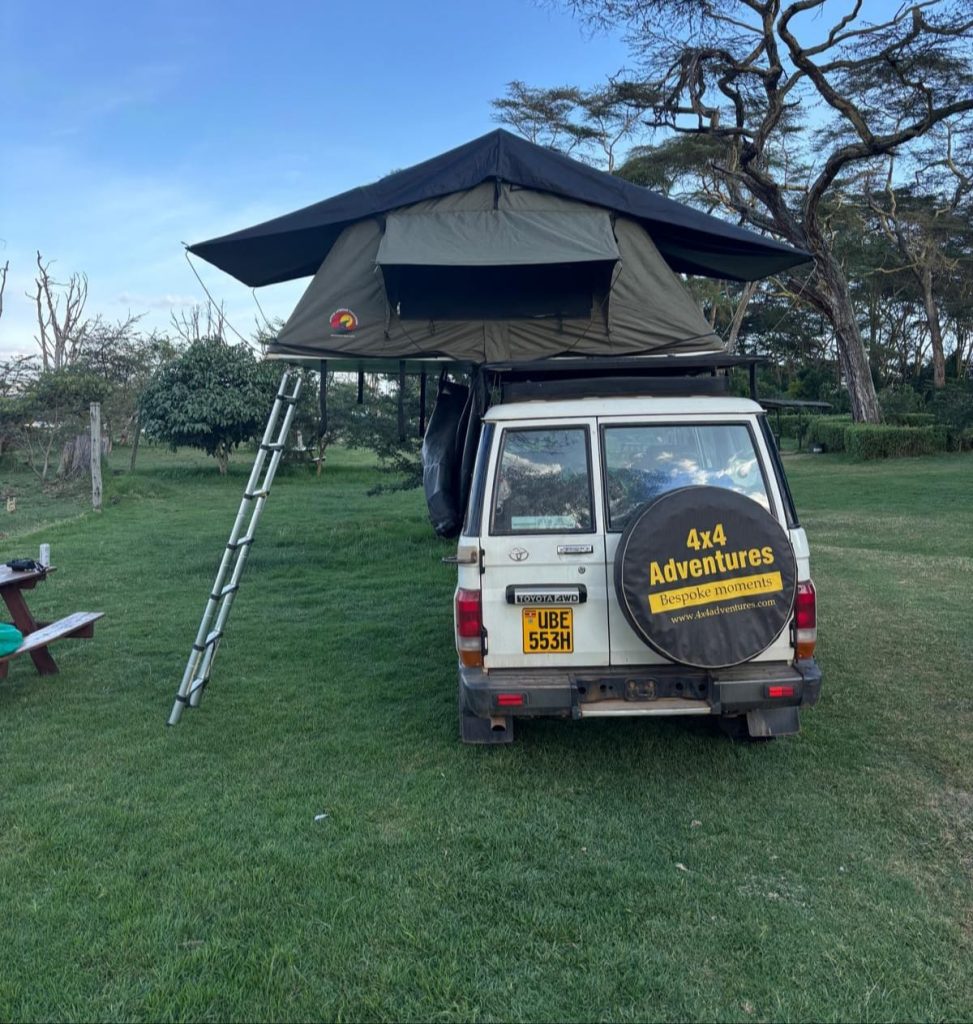
Picking Up in Kampala City
If your trip starts in Kampala rather than straight from the airport, pickup is usually arranged at one of three places:
- Your hotel or guesthouse. This is the most common and most convenient option. Nearly all rental companies operating in Kampala will deliver the vehicle to your accommodation at no extra charge if you’re staying within the central districts (Kololo, Nakasero, Bugolobi, Muyenga, and similar areas).
- The company’s office. Useful if you want to inspect the vehicle thoroughly, ask questions in person, or sign paperwork without time pressure.
- A neutral meeting point, such as a well-known mall or fuel station, which some travelers prefer for clarity when giving directions to a driver unfamiliar with smaller side streets.
Kampala traffic is the variable to respect here. The city’s congestion, particularly along Jinja Road, Entebbe Road, and the routes through Kamwokya and Ntinda, can turn a 20-minute trip into well over an hour during peak periods (roughly 7–9 a.m. and 4:30–7 p.m.). If your pickup is scheduled inside those windows, build in buffer time and tell your driver your hotel’s exact landmark, not just its name, since GPS pins for smaller properties are sometimes inaccurate.
Drop-Offs: Where Most Confusion Happens
Drop-off questions cause more disputes than pickup questions, mainly because travelers often don’t ask about them until the end of the trip, when there’s less room to negotiate.
Returning to the same city you picked up in is the simplest and usually free. This is the default arrangement for most rentals.
One-way drops between cities or regions are common for travelers doing a loop itinerary picking up in Kampala, driving through Murchison Falls or Queen Elizabeth National Park, and finishing in a different town instead of circling back. These are absolutely possible with most operators, but they typically carry a relocation or one-way fee because the company has to get the vehicle back to its base, often with an empty return drive. Ask for this fee in writing before you book, not after you’ve already committed to the route.
Drop-offs at national park gates or lodges are routine for self-drive safari itineraries, since many visitors fly into a park via a domestic airstrip and drive out, or vice versa. Popular drop points include the entrance gates of Murchison Falls, Queen Elizabeth, Kibale, and Bwindi Impenetrable National Park. Because these areas are several hours from Kampala over a mix of tarmac and gravel roads, confirm the exact drop time against realistic driving hours not straight-line distance, which is misleading on Ugandan roads.
Cross-border drop-offs into Kenya, Rwanda, or Tanzania need to be discussed before you book, not assumed. Many Uganda-registered vehicles carry insurance and registration that is only valid for use within Uganda, or that requires an additional cross-border permit (commonly called a COMESA yellow card for regional third-party insurance, plus a temporary import permit at the border itself). If your itinerary includes driving into Kigali, Nairobi, or Kigoma, confirm directly that the specific vehicle you’re renting is cleared for that border crossing, and ask who is responsible for the paperwork at the post.
The Inspection You Should Never Skip
At both pickup and drop-off, a walk-around inspection of the vehicle protects you financially. This matters more in Uganda than in many other rental markets because vehicles work harder here gravel roads, river crossings, dust, and long distances all add wear that can be mistaken for new damage if it isn’t documented.
At pickup, do the following, every time, regardless of how reputable the company seems:
- Photograph all four sides of the car, the roof, the underside if accessible, and the interior, with timestamps visible if your phone supports it.
- Test the spare tire, jack, and tools, not just the tires currently mounted.
- Check the fuel gauge reading and get it written into your contract.
- Confirm working air conditioning, all door locks, and the 4×4 engagement system if you’re heading off the tarmac.
- Note existing scratches, windshield chips, and mirror condition out loud while the company representative is present, and ask them to initial the list.
At drop-off, repeat the photo process before handing back the keys, and ask for a signed confirmation that the vehicle was returned in the condition documented. This single habit resolves the majority of deposit disputes before they start.
Fuel, Deposits, and the Fine Print That Affects Timing
Two financial details directly affect how pickups and drop-offs run in practice.
Fuel policy. Most Uganda rental companies use a “same-to-same” policy: you receive the car with a certain fuel level and return it at the same level, or you’re charged for the difference plus a service fee. Confirm the fuel level in writing at pickup, and plan your final day so you can refuel near the drop-off point rather than arriving with an empty tank and no fuel station nearby this is a frequent last-day issue near remote park gates.
Security deposit. Deposits are usually held on a credit card or in cash and released after a successful, damage-free drop-off inspection. Ask in advance how long release actually takes; some companies release a hold within 24–48 hours, while others, particularly for cash deposits, may take longer. This is worth knowing before your trip ends, not after.
A Realistic Pickup and Drop-Off Timeline for First-Time Visitors
For travelers booking online and arriving on an international flight, here is what a smooth process typically looks like:
2–3 weeks before travel: Confirm vehicle type, pickup location, and whether your route requires any cross-border or remote-area arrangements.
48–72 hours before arrival: Share your final flight number and expected landing time; get a direct contact number for your driver, not just a company hotline.
On arrival day: Clear immigration and baggage, meet your driver at the agreed point outside the terminal, complete the vehicle inspection, and sign the agreement before driving off.
During the rental: Keep the company’s number saved in case of breakdowns, route questions, or changes to your drop-off plan.
On the final day: Arrive at the agreed drop-off point with enough fuel to match the agreed policy, complete the joint inspection, and get written confirmation of the return condition before you leave.

The One Question Almost No Traveler Asks But Should
Most guides to renting a car in Uganda focus on price comparisons and vehicle types. Far fewer focus on a single question that determines whether your entire trip starts smoothly or starts with stress: what is the company’s documented contingency plan if your flight is delayed or your drop-off location becomes inaccessible due to weather?
Ugandan roads near national parks can be affected by rain in ways that simply don’t apply to a city-based rental. A reputable operator will be able to tell you, specifically and without hesitation, what happens if the Kichwamba escarpment road near Queen Elizabeth National Park is impassable, or if your flight into Entebbe is delayed past midnight. Operators who have a clear, rehearsed answer to that question are signaling that they handle this routinely. Operators who seem caught off guard by it are telling you something too.
Before you finalize a booking, ask directly: “What is your written policy if my pickup or drop-off is delayed by weather, flight changes, or road closures?” The clarity of that single answer is one of the most reliable indicators of how the rest of your rental experience will go.
Final Thoughts
Pickups and drop-offs are the bookends of every Uganda car rental, and they deserve the same attention travelers usually give to choosing the vehicle itself. Confirm your exact meeting point, understand the fee structure for one-way and cross-border drop-offs, document the vehicle’s condition at both ends of the trip, and ask about contingency planning before you commit. Handled this way, the logistics around your rental become a non-event exactly what they should be leaving your attention free for the roads, the parks, and the country you actually came to see.