
Ground Tents vs Rooftop Tents:
Ground Tents vs Rooftop Tents, Anyone who has spent a few seasons camping out of a 4×4 has, at some point, stood in a campsite parking lot staring at someone else’s rig and thought: should I be sleeping up there instead? Rooftop tents have exploded in popularity over the last decade, showing up on everything from beaten-up Land Cruisers to brand-new pickup trucks. But ground tents haven’t gone anywhere, and for good reason. They’re cheaper, lighter, and in plenty of situations, simply the smarter choice.
This isn’t a question with one correct answer. Ground tents vs roof top tents your answer will depend on many factors such as terrain, budget, travel style, and how much patience you have for setup time at 9 p.m. in the rain. Let’s go through it properly.
What We’re Actually Comparing
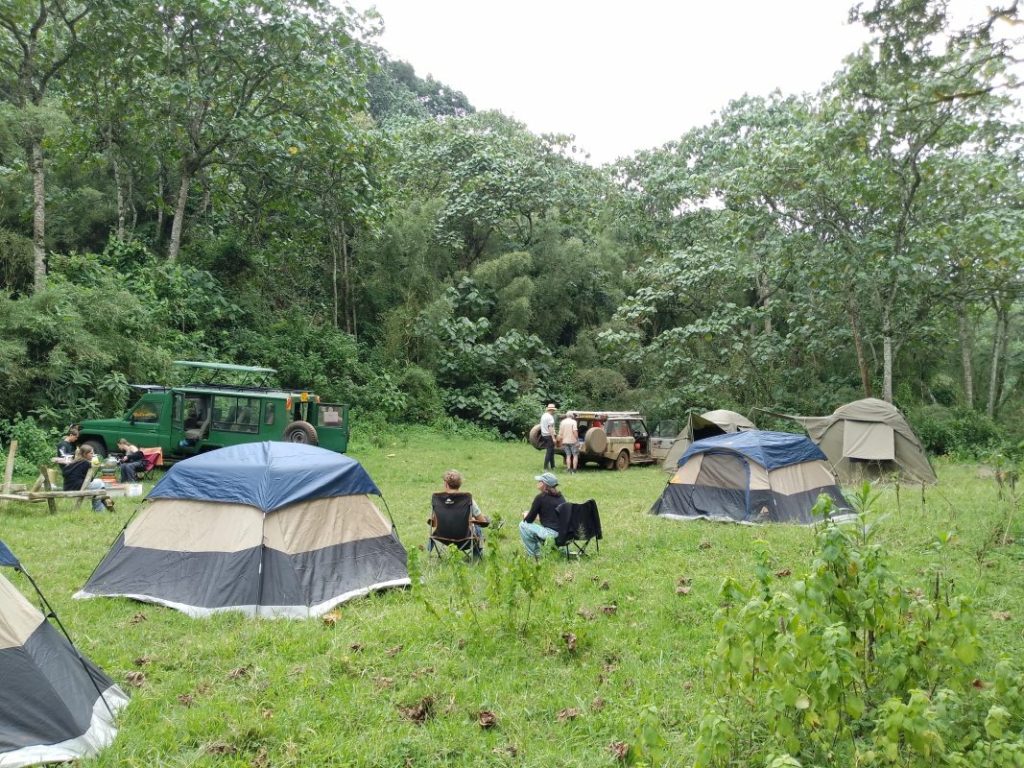
A ground tent is exactly what it sounds like a tent that pitches on the earth, just like the one you probably used as a kid on family camping trips, except now built tougher for 4×4 travel and bad weather.
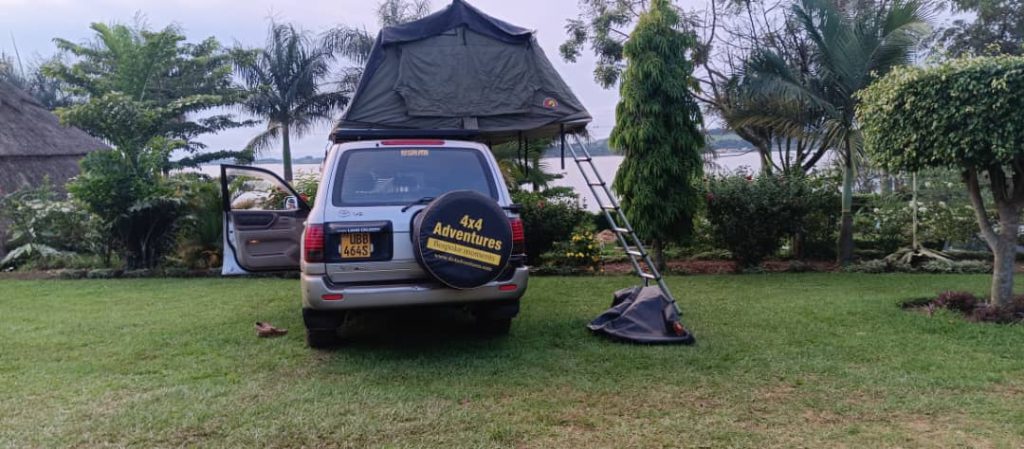
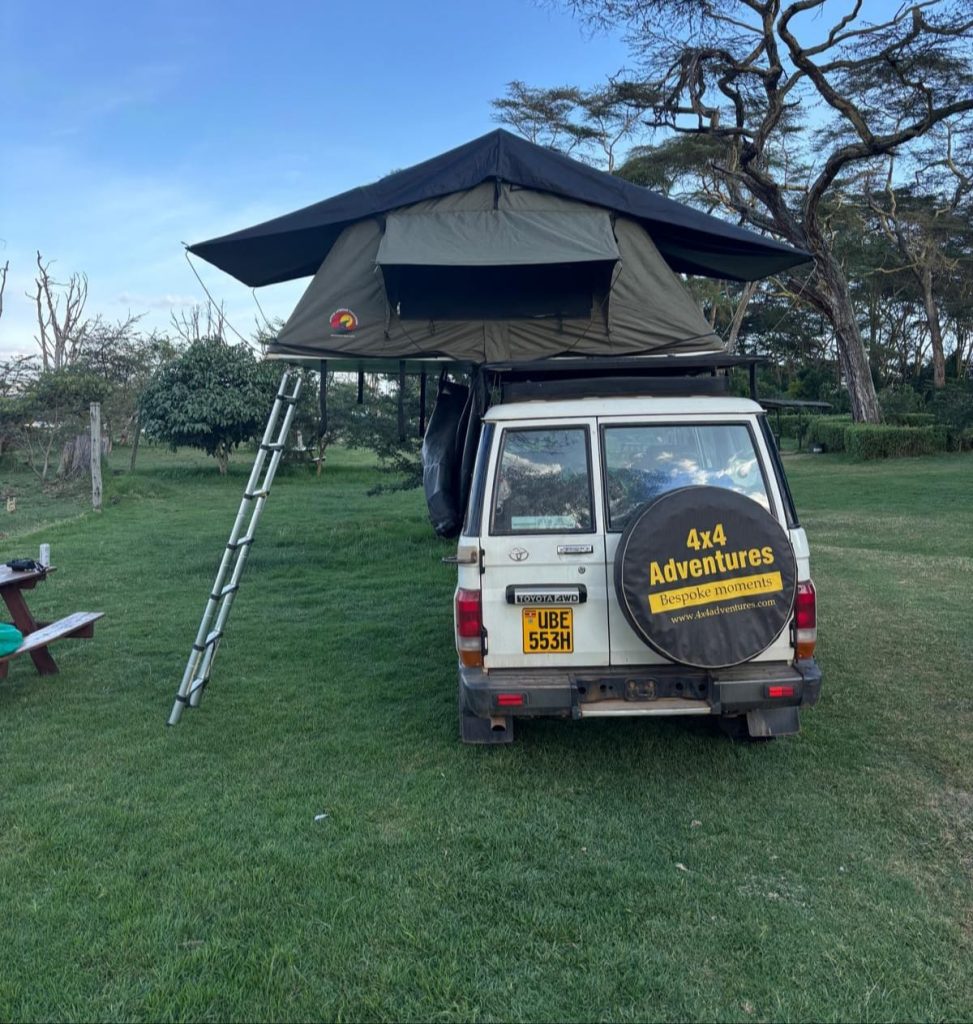
A rooftop tent (Roof top tent) mounts permanently to a roof rack or platform on your vehicle, folds out into a sleeping area above the car, and usually comes with a built-in mattress and a ladder for access.
Both solve the same basic problem somewhere dry and safe to sleep on the road but they solve it in completely different ways, and those differences matter more than most buying guides admit.
Setup and Pack-Down Time
This is where rooftop tents win, and win clearly. Most quality Roof top tents open in under five minutes. You unclip a few latches, push, and the tent unfolds with the mattress already inside it. Pack-down is just as fast fold it shut, latch it, and you’re driving away in minutes.
Ground tents take longer. You are staking it into the ground, threading poles, sometimes fighting wind while you do it, and then doing the reverse in the morning folding, rolling, stuffing it back into a bag that always seems slightly too small. On a multi-day trip where you’re moving camp daily, that time adds up fast. After a week of this, a rooftop tent’s five-minute setup starts to feel less like a luxury and more like sanity.
That said, speed isn’t everything. If you’re staying in one spot for several nights, the time difference barely matters.
Comfort and Sleep Quality
Sleeping above ground level has real advantages. You’re elevated from cold air, which tends to pool low at night, away from crawling insects, and off any uneven, rocky, or damp ground. Most rooftop tents come with a proper foam mattress, often 5 to 7 cm thick, which beats most inflatable camping mats hands down. Plenty of long-term overlanders say their best night’s sleep on the road has been in a roof top tent simply because the platform is flat and the mattress doesn’t deflate at 3 a.m.
Ground tents can absolutely match this comfort level, but it takes more gear a quality sleeping pad, maybe a cot, careful site selection on flat ground. The ceiling is higher with the right ground tent too, which matters if you like sitting up to read or change clothes without crouching.
Where ground tents pull ahead is space. Family-sized ground tents can accommodate four to six people with room to spare, plus a gear vestibule. Rooftop tents are built for one to three people at most, and even the larger ones feel snug once you add sleeping bags, pillows, and a duffel bag for clothes.
Additionally, ground moisture can readily impact the tent’s floor after rain or at night. One obvious benefit of rooftop tents is that the ground will be quite wet if the drainage is poor.
Setting Up Camp: Vehicle Dependency
Here’s something many first-time buyers don’t think through until it’s too late: a rooftop tent ties your sleeping arrangement to your vehicle. Once it’s pitched, your car isn’t going anywhere. Need to drive into town for supplies, fuel, or to scout the next section of trail? You’re folding the tent down first, or you’re not going.
With a ground tent, your vehicle stays free. Pitch the tent, leave your gear inside it, and drive off to explore, restock, or tow a stuck mate out of a riverbed. This is a genuinely underrated point for longer trips where basecamp exploring is part of the plan, and it’s one of the strongest arguments in favour of ground tents for travellers who like to move around during the day without breaking camp.
Weight, Fuel Economy, and Vehicle Strain
A rooftop tent is not light. Most hard-shell and soft-shell models weigh between 50 and 90 kg, sitting high above your vehicle’s centre of gravity. That has consequences: increased fuel consumption from wind drag, a higher centre of gravity that affects handling on rough trails and in crosswinds, and real stress on your roof rack, gutters, or mounting points, especially on rougher tracks. Vehicles need roof racks rated for dynamic off-road loads, not just static rooftop weight, and that’s a detail some buyers skip past.
Ground tents weigh a fraction of that typically 3 to 12 kg depending on size and quality and they pack down into the back of the vehicle rather than sitting on top of it. Your car drives the same with or without a ground tent on board. For anyone doing serious technical off-roading, where vehicle balance genuinely matters on side slopes and through ruts, this is not a small consideration.

Weather Performance
Both styles can handle real weather if you buy quality gear, though they handle it differently.
Rooftop tents, particularly hard-shell models, tend to shrug off heavy rain and wind well because of their rigid shells and elevated position, away from ground-level flooding and mud. Soft-shell roof top tents are lighter and cheaper but offer less protection in serious storms.
Ground tents, especially those with a proper bathtub floor, sturdy poles, and a full-coverage rainfly, handle wind and rain extremely well too arguably better in high winds, since a low profile close to the ground experiences less sideways force than a tent perched several feet up on a roof rack. If you’ve ever camped through a proper gale, you’ll know a rooftop tent can rock unsettlingly with every strong gust, even when it’s structurally fine.
Ground temperature and insulation work the other way. A rooftop tent benefits from airflow underneath, helping in hot, humid climates, while a ground tent can feel cooler against frozen or damp earth without a good sleeping pad underneath.
Setup Terrain and Site Flexibility
This is an area people underestimate. Rooftop tents need your vehicle parked on relatively level ground, because the tent only opens to one side or rear, and an unlevel vehicle means an unlevel bed. On rocky or uneven terrain, finding a spot flat enough for both vehicle and tent can take real searching, sometimes longer than it would take to just pitch a ground tent on the same patch of dirt.
Ground tents are far more forgiving. You can pitch one on a slight slope, between rocks, tucked behind a windbreak, or in a tight gap between trees where a vehicle couldn’t even fit. This flexibility matters a lot for travellers who camp in bush settings, narrow forest clearings, or anywhere space is limited.
Cost Breakdown
Budget is often the deciding factor, so let’s be straightforward about it.
Quality ground tents built for 4×4 and overland use generally range from roughly $150 to $600, depending on size, materials, and brand. You can get a genuinely excellent, durable, weatherproof ground tent for under $400.
Rooftop tents start around $1,000 for entry-level soft-shell models and climb past $3,000 to $4,000 for premium hard-shell tents from well-known brands. Then add the cost of a properly rated roof rack if your vehicle doesn’t already have one often another $500 to $1,500. All in, a rooftop tent setup can easily cost five to ten times more than a solid ground tent.
For travelers on a budget, or those just starting out in overlanding, this price gap alone often settles the debate.
Durability and Long-Term Maintenance
Rooftop tents, kept dry and maintained properly, tend to last many years, and their fabric isn’t dragged across rocky ground or packed away wet as often, since they’re stored open-air on the roof rack during travel and only folded shut briefly. However, the mechanical components hinges, gas struts, latches, ladder brackets can wear out or rust over time, especially in coastal or humid environments, and repairs aren’t always simple on the road.
Ground tents see more wear from ground contact, abrasion, and being packed away while damp, which can lead to mould or fabric degradation if you’re not careful. But they’re simpler mechanically, with fewer parts to fail, and repairs patching a tear, replacing a pole are usually quick, cheap, and something you can manage yourself at camp.
Which One Should You Actually Choose?
There’s no universal winner here, and any article telling you otherwise is selling you something. Here’s a more honest way to think about it:
Choose a rooftop tent if you camp solo, as a couple, or value the elevated sleep and speed of setup more than anything else, you’re moving camp frequently and want to save time each day, your vehicle and budget can absorb the weight and cost, and you’re not planning to drive away from camp much once it’s pitched.
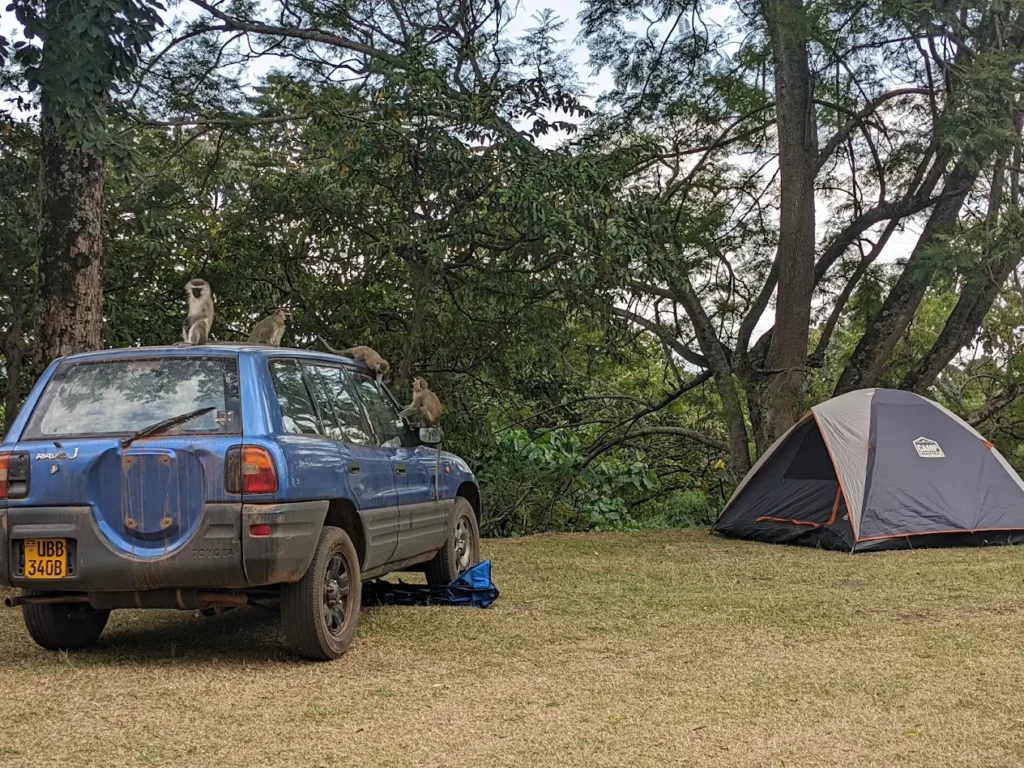
Choose a ground tent if you’re travelling with family or a group, you want your vehicle free to explore once camp is set, you’re working with a tighter budget, your trips involve technical off-roading where extra roof weight is a real handling concern, or you camp in tight, uneven, or bush terrain where vehicle-adjacent setup isn’t practical.
Many seasoned overlanders end up owning both, using the rooftop tent for fast-moving road trips and the ground tent for basecamp-style trips where the vehicle needs to stay mobile. There’s nothing wrong with letting the trip dictate the gear, rather than picking one tent style and forcing every trip to fit it.
Final Thoughts
Comparing the ground tent with the roof top tent isn’t really about which product is better built both categories include excellent, well-engineered gear. It’s about matching the tool to how you actually travel.
Think honestly about your budget, your group size, your vehicle’s capability, and how often you want to break camp mid-day to go exploring. Answer those questions first, and the right tent for your setup becomes obvious.
Whichever way you go, spend a little more on quality fabric, solid stitching, and a genuinely waterproof rainfly or shell. That’s the detail that decides whether you stay dry and comfortable on night four of a trip, long after the initial excitement of a new tent has worn off.