
Self-Drive vs Guided Safari: Which is Better.
Self-Drive vs Guided Safari, which is better :Regarding on the best or unique land that grants everlasting and incredible memories, Africa is one of the bucket list. However, selecting on how you can explore it completely shapes the entire journey. Guided or self-drive safari discover which option suits you best based on your priorities, experience, and desired level of immersion.
In this guide we have outlined detailed objectives, and professional comparisons about self-drive vs. guided safaris which is better in order to ensure that travellers come up with a final decision.
Understanding the two Safari Styles.
Self-Drive Safari: This is a type of safari where travellers rent 4×4 cars to explore wildlife beautiful landscapes as they drive them selves on their own with no assistance from a guide personnel. These safaris are common in many African countries such as South Africa, Namibia, Botswana, Tanzania, Uganda and Kenya, very ideal and perfect for adventure-seekers and independent travellers.
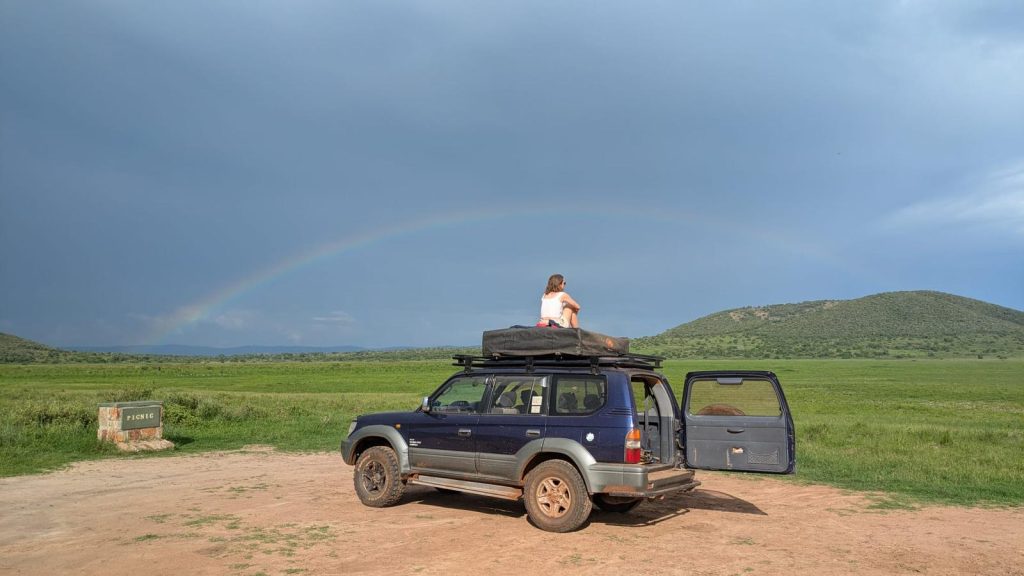
Who should choose a self-drive safari?
Self drive safaris are very ideal and suitable for travellers that are very comfortable and experienced with driving in many countries. These safaris are perfect for independent travellers and those who enjoy privacy.
Guided Safari: This type of safari involves driving and exploring wildlife together with beautify landscapes through the help of a highly trained guide sometimes accompanied by a tracker. These safaris tend to occur in open game-viewing vehicles as guided help you interpret animal behavior, navigate the park, and even predict what’s going to happen before it does.
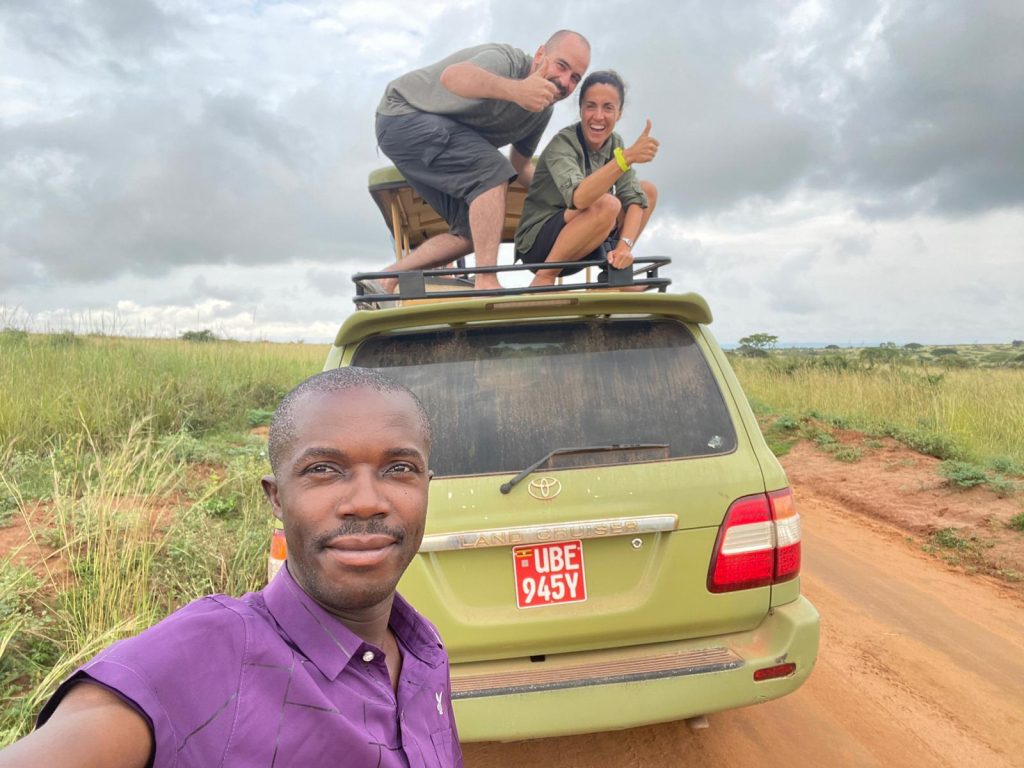
Who should choose a guided safari?
A guided safari is suitable for well organized trips and its the best option. It’s very perfect for families, first time visitors and travellers interested to have a deeper understanding of a particular region’s wildlife and culture.
Pros and cons of self-drive safaris vs guided safaris
Self-Drive
Pros: Offers a raw, unscripted experience.
Personal experience: Unlike guided safaris, one is able to linger at sightings as many times they want or return to favored areas at their will.
Sense of adventure: Increased sense of accomplishment when you spot animals independently.
Cons:
Less expertise or knowledge about the areas: Wildlife spotting will depend heavily on the guides skills.
Lack of a proper itinerary: There is a risk of missing out some rare sightings simply due to poor timing or routing.
Car troubles and maintenance: You may encounter car break downs especially in remote areas.
Guided Safari
Pros:
Incredible wildlife tracking: Expect to have detailed information about each particular animal since guides are fully trained in animal behavior, tracking, ecology, and navigation. Higher chances of witnessing rare interactions such as hunts, kills, or nocturnal activity.
Safety: The guides are well equipped with expert knowledge of destinations, safe routes to take, as well as to handle encounters with wild animals making it safe for travellers.
Cultural insights: Guided safaris offer insights to interactions with different local communities as one is able to learn about their traditions.
Cons:
Less flexibility your schedule aligns with group or lodge timings.
Some travellers feel the presence of a guide reduces the sense of wilderness solitude.
Less privacy: Travelling on safari with your guide gives you less personal space and you tend to spend little time of viewing the animals in the wild.
Higher costs: Guided safaris tend to be quite expensive especially in private reserves and when one books luxury lodges.
Factors to consider while determining which is better. (self drive vs Guided tour)
Safety and Risk Management
Self-Drive
It requires one’s confidence and experience especially during the off-road driving.
One should be aware of the risks such as getting stuck, mechanical breakdowns, misjudging animal behavior, and navigating unpredictable terrain.
You own full percentages to any emergency responses, especially during in remote areas with limited cell coverage.
Guided Safari
Guides undergo specialized training for dangerous encounters, first aid, and difficult terrain.
Vehicles are maintained by professional teams and your guide probably provides adequate support incase of mechanical break downs and emergency.
Safety briefings, controlled approaches to wildlife, and constant environmental awareness ensure a secure experience.
Cost Comparison.
Self-Drive
During self drive safaris the costs are very few since guide fees are not included in the packaging bit.
Lower operational costs: Here one spends less since it covers the vehicle hire, fuel, park fees, and accommodation.
Guided Safari
Generally, more expensive due to professional fees, lodge operations, and specialized vehicles.
Guides safaris tend to cover the prices for everything such as meals, accommodation, conservation levies, activities, park entrances and many more.
Learning and Interpretation.
Self-Drive
Discovering and exploring: For self drive safaris you enjoy the who enjoy the ability and chances of discovering things independently.
You depend heavily on guidebooks, maps, apps, and personal observation.
Guided Safari
Guides provide rich context animal behavior, ecological relationships, tracking techniques, and conservation insights.
The experience becomes educational rather than simply observational.
Many travellers describe the guide as the soul of the safari due to their expertise of the destination and the wildlife species.
Comfort and Convenience.
Self-Drive.
Total independence but also total responsibility.
Requires handling navigation, food, timing, permits, and logistics.
Weather, fatigue, and long days behind the wheel can reduce comfort.
Guided Safari
Everything is curated for your routes, meals, activities, and bush safety.
Vehicles are specialized for comfort and visibility.
Lodges provide luxurious touches such as sundowners, expert-led walks, and evening bush talks.
Photography Opportunities.
Self-Drive
You have the opportunity to have many greater controls over angles, duration, and vantage points.
Self drive safaris are perfect for photography lovers who will need to wait for many hours as they want for a perfect shot.
Restrictions: self drive safari travellers are limited by park rules (no off-roading, restricted areas and many more).
Guided Safari
During guided safaris guides are able to position vehicles for optimal lighting and composition.
Access to private areas allows closer, creative, and exclusive photography opportunities.
However, shared vehicles may limit time spent at a sighting.
Travel companions.
In terms of travellers who are moving with families, friends, a self-drive safari is more convenient and perfect. This is because you have a chance to enjoy your personal space
While
Solo travellers can book private guided tours as they enjoy company from the guides.
What is the perfect time to embark on a safari in Africa?
The best or suitable time for navigating in Africa greatly depends on the specific activities that one is interested in carrying out. However, tthe dry season cracks it as the best time, since many wildlife activities can be done with in this time.
The dry season runs from June to October. This time is best for exploring all paths and wildlife viewing opportunities.
Perfect for the Great migration. Here you have a chance to witness the wildebeest migration in Tanzania (June to October), Kenya (July to October).
Very comfortable weather. This period has fewer mosquitoes and clear skies.
NB You can still visit Africa in the wet seasons since the place is an all-year-round destination. The beauty and benefits of visiting during this season is discounts on price of some activities and different lodging options tend to reduce on their prices. This suits mainly budget travellers.