

Akagera 4×4 Rental Guide: Why Choose Pop-Top Vehicles Offering the Best Wildlife Views
Akagera 4×4 Rental Guide, the first step in planning a wonderful self-drive safari is to secure reliable transportation. At 4×4 Adventures, we help guests get about Rwanda in comfort and style, with our well-maintained vehicles and dedicated service for all types of travelers.
Whether you prefer to get behind the wheel yourself or have an experienced local driver take you through the park, our fleet is built to match your itinerary. Reach out to our team by phone or WhatsApp (Number: +256 701 819223), or visit our website to start planning your trip.
Our team has deep, hands-on knowledge of vehicle hire across Rwanda from Kigali airport pickups and self-drive SUVs to chauffeur-guided safari transport, extended monthly leases, and vehicles suited to NGOs, corporate teams, and independent tourists.
That range of experience means we can point every visitor toward the option that actually fits their trip, rather than a one-size-fits-all package.

A Quick Look at Akagera National Park
Tucked along Rwanda’s eastern border, Akagera is the country’s only Big Five destination and one of the last places in the region where savannah, wetland, and lake habitats sit side by side.
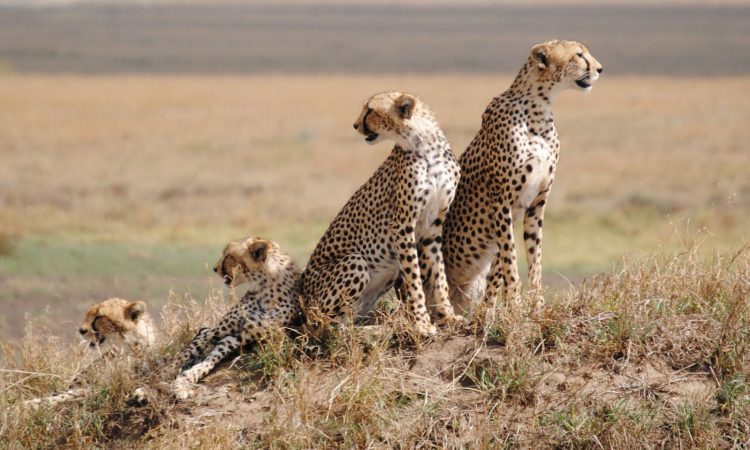
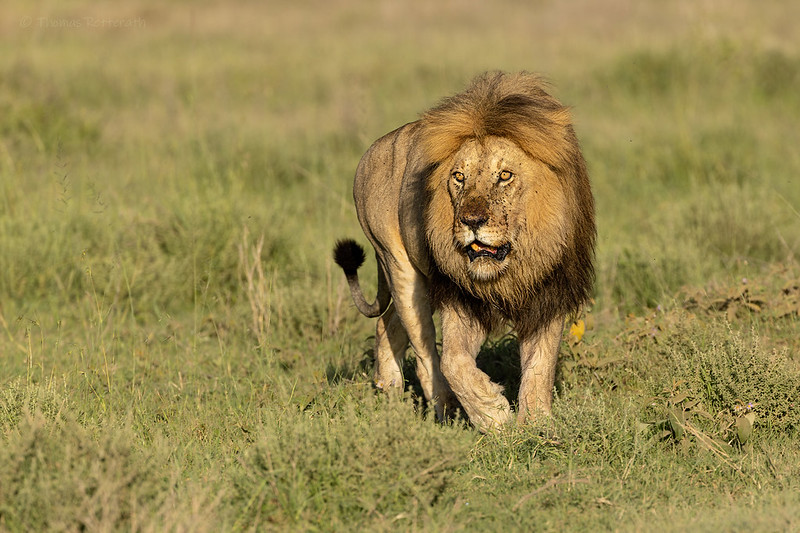
The park’s varied terrain open grassland, papyrus swamp, acacia woodland, chain of lakes fed by the Kagera River. Additionally, the river supports an unusually wide range of species for its size. Visitors regularly encounter lions, leopards, elephants, rhinos, and buffalo, alongside large herds of zebra, impala, topi, and eland.
Birdwatchers are especially drawn to Akagera for species like the shoebill stork, papyrus gonolek, and African fish eagle, many of which are easiest to spot near the lakeshores in the early morning.
Because the park mixes open plains with denser vegetation and water crossings, the driving experience changes throughout the day and across seasons. This is part of why vehicle choice matters so much here a car that performs well on a dry-season plain may struggle on a muddy track after rain, and a low-clearance sedan simply isn’t built for either.
Picking the Right Vehicle for Akagera National Park
Game drives in Akagera cover a mix of terrain, so the vehicle you choose matters as much as your itinerary. Our fleet centers on rugged 4×4 SUVs built to handle uneven tracks without sacrificing comfort.
Look for a vehicle with strong ground clearance and solid suspension the park’s roads shift from smooth to bumpy quickly, and the right setup keeps the ride steady even in rougher sections.
Whether you choose a cheap choice, a top-end safari cruiser or something in between, matching the car to the terrain makes a huge difference to how much you enjoy the drive itself and not just the destination.

A few practical factors worth weighing before you book:
- Group size and luggage. A compact SUV suits a couple or a small family, while larger groups or those carrying camping gear typically need a Land Cruiser or similar vehicle with more cargo space.
- Season. Rwanda’s dry months (roughly June to September, and again in December to February) generally mean firmer roads and easier driving. The wetter months can leave some tracks soft or slippery, which is another reason a proper 4×4 not just an SUV. Regardless all those seasons are perfect for a self-drive safari in Rwanda.
- Trip length. A single-day visit to Akagera has different vehicle needs than a multi-day loop that also covers Kigali city driving, highway stretches, and possibly a stay at a lodge inside or near the park.
- Fuel and range. Akagera is roughly two to three hours from Kigali depending on the route and your entry point, so it’s worth confirming fuel levels and, for longer trips, planning where you’ll refuel along the way.
We talk through these details with every guest before confirming a booking, so the vehicle you drive away with actually fits the trip you’re taking not just the trip on paper.
The Case for Popup-Roof Vehicles on Safari
A popup roof changes the entire feel of a game drive. Rather than viewing wildlife through a closed window, passengers can stand up and take in a full, unobstructed view of the surrounding landscape while still being protected inside the vehicle. This design gives a noticeably better vantage point for spotting elephants, giraffes, buffalo, zebras, antelope, and the wide variety of birdlife found in Akagera.
For photographers, the raised opening allows for cleaner shots without glass or reflections getting in the way. For families and tour groups, it turns a passive ride into something more hands-on and memorable. Many guests tell us afterward that the popup roof was the single feature that made their game drive stand out it’s a small design choice that shapes the entire experience.
There are a few other practical upsides worth mentioning. The elevated opening improves airflow through the cabin, which is a welcome change during Rwanda’s warmer stretches of the day.
It also gives everyone in the vehicle a turn at the best viewing spot, rather than leaving window seats to determine who sees what. And because you’re still enclosed on all sides below the roofline, the setup keeps a respectful distance from wildlife while still delivering an up-close feel an important balance in a park that’s actively working to protect recovering rhino and lion populations.
If you’re traveling with young children or anyone who prefers to stay fully seated, that’s not a problem either the roof simply pops back down, and the vehicle functions as a standard closed SUV for the rest of the drive.
Self-Drive safari or Guided safari: Choosing What Suits Your Trip
One of the most common questions we get is whether to drive independently or bring along a professional driver-guide. Here is what to consider.
Driving yourself gives you full control over pacing, stops, and route. It suits travelers who are comfortable navigating unfamiliar roads and want the freedom to linger at a sighting or adjust plans on the fly.
Traveling with a driver-guide takes the navigation off your hands entirely. An experienced local driver knows the park’s roads, understands animal patterns, and can share context about the area that most visitors wouldn’t otherwise pick up. This option tends to appeal most to first-time visitors, business travelers on tight schedules, families with children, and photographers who’d rather focus on their shots than on the road.
Neither approach is objectively better it comes down to how hands-on you want your trip to be.
Things to pack Before You Head into the Park
A little preparation goes a long way toward a smooth day in Akagera. Before you pick up your vehicle, it’s worth packing:
- Binoculars for distant sightings
- Sunscreen and insect repellent
- Bottled water
- Light, breathable clothing
- A camera with spare batteries and memory
- Comfortable, closed-toe walking shoes
Bring your passport, a valid driving license if you’re driving yourself, and other essential items. On our end, every vehicle is checked before it leaves our lot mechanical condition, tire quality, air conditioning, and interior cleanliness are all confirmed in advance, so you’re not troubleshooting problems once you’re already on the road.
When to Go and How to Get There
Akagera is open year-round, and each season offers something different. The dry months tend to concentrate wildlife around remaining water sources, which can make sightings more predictable, while the rainy season brings lush scenery, active birdlife, and fewer other vehicles on the tracks.
If your main goal is photography or a classic Big Five drive, the dry season is usually the safer bet. If you don’t mind the occasional shower in exchange for greener landscapes and quieter roads, the wetter months have their own appeal.
Most visitors reach the park via the Kigali–Kayonza road, entering through either the southern or northern gate depending on where they plan to stay or which section of the park they want to explore first. The drive from Kigali takes roughly two to three hours, and the route is well signposted, though a GPS or offline map is still worth having on hand, particularly for the final stretch of unpaved road leading to the gates.
Entry permits and park fees are arranged separately from vehicle hire, so it’s worth confirming your reservation and payment details in advance arriving at the gate without them can cost you valuable daylight hours that would otherwise go toward game viewing.
Staying Safe on the Road and in the Park.
A few added precautions help the day go smoothly:
- Keep to marked tracks at all times leaving the road disturbs habitat and can also get a vehicle stuck in softer ground.
- Maintain a safe, respectful distance from animals, even when the popup roof makes it tempting to get closer for a photo.
- Carry a fully charged phone and, where possible, a printed map or downloaded offline route, since signal coverage inside the park is inconsistent.
- Fill up on fuel before entering, as there are no fuel stations within the park itself.
- Plan your exit time with enough daylight buffer driving out after dark is best avoided given the road conditions and wildlife activity.
Our team briefs every renter on these basics at pickup, and chauffeur-guided trips take care of most of this automatically, since the driver already knows the terrain and the park’s expectations.
Ready to Book?
From airport transfers to multi-day safari rentals, our team is set up to support every type of trip solo travelers, families, tour operators, NGOs, groups and corporate groups alike. Get in touch by phone, WhatsApp, or through our website (4×4 adventures.com)to check availability and lock in your vehicle before your Akagera trip.