
Can Foreigners Drive in Uganda? The Complete Traveller’s Guide
Can Foreigners Drive in Uganda? Yes, foreigners can drive in Uganda. Whether you’re planning a self-drive safari through Queen Elizabeth National Park, a road trip to the source of the Nile in Jinja or simply need a rental car to get around Kampala and Entebbe, driving yourself in Uganda is not only legal, but for many travelers the most rewarding way to experience the country. But it does come with a certain set of regulations, paperwork, and road realities any tourist should comprehend before getting behind the wheel.
Everything a foreign tourist needs to know about driving in Uganda in 2026 including licensing requirements, International Driving Permits, speed limits, insurance, police checks and how to navigate Ugandan roads with confidence.
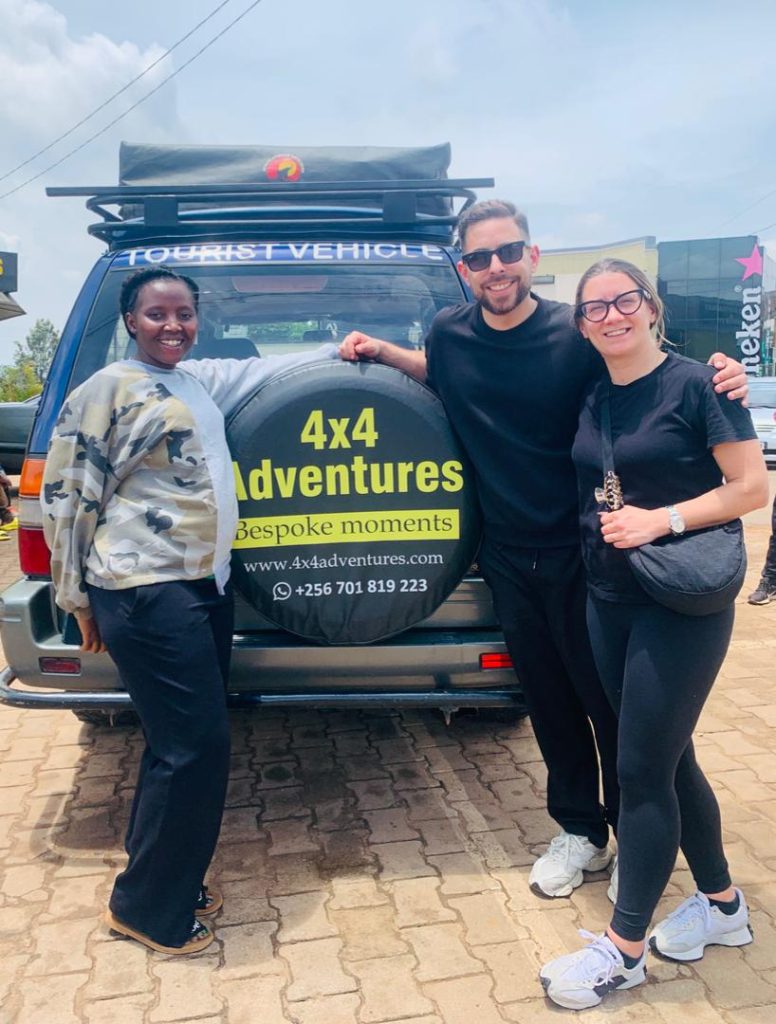
Short answer: Can foreigners drive in Uganda?
Visitors can drive legally in Uganda with a valid foreign driving license, providing the license is in English or has an official translation, and the visit is short term. Most sources agree that travelers can drive with a valid home-country license for up to 90 days.
It is strongly recommended to carry an International Driving Permit (IDP) along with your original license if your licence is not in English, or if you want to avoid tension with police, rental businesses or insurance, and in fact this is virtually always requested.
Uganda is a signatory to the 1949 Geneva agreement on Road Traffic and the 1968 Vienna Convention on Road Traffic. IDPs issued under either agreement are recognized in Uganda. This puts Uganda in par with most East African countries in terms of how they handle visiting drivers.
Documents You Must Legally Drive in Uganda
If you are renting a car or driving your own vehicle in Uganda, you will need to carry the following:
- A valid driver’s licence from your country of residence. It must include the class of vehicle you plan to drive (usually the regular “B” category for automobiles and small SUVs).
- International Driving Permit (IDP), especially if your native licence is not in English. Car hire businesses in Uganda usually ask for one, regardless of the language of your licence, so it’s worth arranging this before you travel.
- Your passport and visa – police may require to examine them together with your driving documentation at checkpoints.
- Proof of auto insurance. Third party insurance is a required requirement for all vehicles on Ugandan roads so ensure that your rental agreement has valid cover.
- Vehicle registration and rental agreement papers, if you’re driving a rental automobile, kept in the vehicle at all times.
If you plan to stay in Uganda for job, residency or longer term, you will eventually need to convert to a Ugandan driving permit thru the Uganda Ministry of Works and Transport as foreign licenses and IDPs are only valid for short term stays.
Do you need an International Driving Permit?
This is the question most travelers ask, and the honest answer is: not always legally obligatory, but practically indispensable.
For short stays, international licences issued in English-speaking nations such as the United States, United Kingdom, Canada, Australia and South Africa are recognized under Ugandan law. Theoretically, a tourist from such nations could drive without an IDP. In practice, most automobile rental businesses in Uganda will not release a vehicle without viewing it. The traffic police at checkpoints commonly ask for it as it helps them to rapidly verify your credentials without a language barrier.

For travelers from non-English speaking countries much of continental Europe, Asia, Latin America and the Middle East an IDP is effectively mandatory, as it’s the only document that translates your licence into a format readable by Ugandan officials and rental personnel.
For the international tourist, the safest bet is simple: get an IDP before you go. It is cheap, easy to get from your own country’s automobile association or licensing authorities and removes any doubt at the border, at checkpoints or when picking up a rental car.
On Which Side of the Road To Drive in Uganda?
Uganda, like the United Kingdom, Kenya and Tanzania, drives on the left. Most cars, including rental cars, are right hand drive. If you drive on the right, allow yourself a day or two to get acclimated to driving on the left, particularly at roundabouts, crossroads and while overtaking, when old habits can trip you up.
Uganda: Essential Traffic Laws and Speed Limits
Uganda has varying speed restrictions depending on the kind of road and is increasingly monitored by the Intelligent Transport Monitoring System (ITMS). This is a system of speed cameras in addition to the traditional police checkpoints, especially near Kampala and on major roads. As a general rule:
- Urban and built-up areas: about 50 km/h, reduced to 30 km/h in areas near schools and when schools are in session.
- Paved roads, rural areas: generally, up to 80 km/h.
- Major roads: up to 100 km/h on designated routes like as the Kampala-Masaka highway, however the road conditions make it safer to travel well below the posted limit.
- Murram (dirt) roads: No formal restriction, but 40-60 km/h is the practical safe ceiling due to potholes, loose gravel and dust.
Other important rules that every international driver should know:
- Seatbelts are compulsory for the driver and front seat passenger and there are penalties for non-compliance.
- It is prohibited to use a hand-held cell phone whilst driving. Only hands-free devices are allowed.
- Drink driving regulations are severe with a blood alcohol limit of roughly 0.08%. Random checks are prevalent, particularly on weekend nights. The best rule is: don’t drink and drive at all.
- Only overtake when it is plainly safe to do so. Some local drivers may overtake aggressively on Ugandan highways, do not feel pressured to keep up with them.
- Every car on the road is required to have third-party insurance.
In Uganda, traffic violation fines are normally paid beforehand or thru the computerized penalty system and vary from little for minor offenses to large for serious offenses such as drink-driving or reckless overtaking.
The reality of the roads in Uganda
Knowing the laws of law is just as important as knowing the road conditions because it directly affects how you should arrange your trip.
- Major highways linking Kampala with towns such as Jinja, Mbarara, Fort Portal and Gulu are normally tarmacked and in reasonable condition, however potholes, speed bumps near villages and pedestrian crossings are widespread.
- Rural and park access roads, particularly those to lodges and national parks, are often murram (dirt) or gravel. The dry season makes them dusty and they are slippery or muddy in the wet seasons (approximately March to May and October to November).
- Wildlife crossing structures pose a genuine threat near national parks. Take it slow and extra careful, especially at dawn, dusk and twilight.
- Boda bodas (motorcycle taxis) are ubiquitous, particularly in towns and cities, and frequently dart unpredictably thru traffic. Extra caution around them is key.
- Avoid driving at nite if feasible. After dusk the risk is higher due to poor street lighting, unmarked vehicles, pedestrians and animals on the road.
If you are doing off-road stretches into national parks then a 4×4 with decent clearance is highly suggested over a normal saloon car.

Renting a car in Uganda: for foreigners?
Self-drive automobile rental is commonly accessible in Kampala, Entebbe and around major tourist hotspots and is a popular choice for those wanting the freedom to explore at their own speed. If you rent:
- Ask the rental company if an IDP is needed, minimum age (often 23-25) and minimum years of driving experience.
- Find out what type of insurance they have and if it includes off-road or park driving •
- Inspect the car for damages before signing and confirm with rental company that you understand.
- Many organizations now offer a car with a driver-guide for long safari routes or first-time tourists uncomfortable with local road conditions so you don’t have to self-navigate unfamiliar terrain.
Safe Driving in Uganda: Tips for Smooth Driving
- Keep your documents – licence, IDP, passport and insurance – handy for convenient presentation at checkpoints.
- At police checks, be polite and be cool. They are popular in Uganda, especially on routes between major towns and border crossings. Most stops are just paperwork checks.
- Plan your driving hours to match daylight, especially on rural or park routes.
- Keep a spare tire, basic tools and emergency contacts. In the country breakdowns can mean long waits for relief.
- Be aware of your speed when driving near towns and trading centers with plenty of pedestrians and where enforcement is widespread.
- Pay attention to wildlife road signs near parks and reserves and do not approach animals near the roadside.
FAQ’s (Frequent Asked Questions)
A tourist can drive in Uganda without a Ugandan licence. Yes. Short-term tourists may drive with a valid foreign licence, preferably with an International Driving Permit.
How long will my international license be valid for driving in Uganda? Most advice says it is up to 90 days for short term visitors and you would need to check into a local Ugandan permission if you are staying longer.
Do you need an International Driving Permit? It’s not usually a legal need but it’s anticipated by most rental businesses and often sought by traffic police and a practical necessity for just about every visitor to England.
Which side of the road does Uganda drive on? The left-hand side, with right hand-drive automobiles, such as the UK, Kenya and Tanzania.
Hire a 4×4 to self-drive in Uganda? Not for main highways, but a 4×4 is highly suggested for national park roads, rural routes and travel in the wet seasons.
Conclusion
Can foreigners drive in Uganda? Absolutely, for many travelers it is one of the best ways to discover the country’s scenery, its national parks and cities at your own leisure. Preparation is key: have a valid licence and an International Driving Permit, know the local road rules and speed restrictions, accept the realities of Uganda’s road conditions and watch out for pedestrians, boda bodas and wildlife. With the correct paperwork and a careful attitude, self-driving in Uganda may be a safe, practical and truly memorable way to discover the Pearl of Africa.